The finished the trading session little changed, rising by just 17 basis points on the day. It was another session marked by market whiplash as headlines continued to swirl around what may or may not eventually happen in Iran. That led to significant volatility in , interest rates, and, in turn, stocks.
The market initially opened lower following Nvidia’s (NASDAQ:) results but rebounded on more positive headlines later in the day, which were subsequently denied. That leaves the market in an interesting position heading into a three-day weekend, with continued uncertainty surrounding what may happen between the U.S. and Iran.
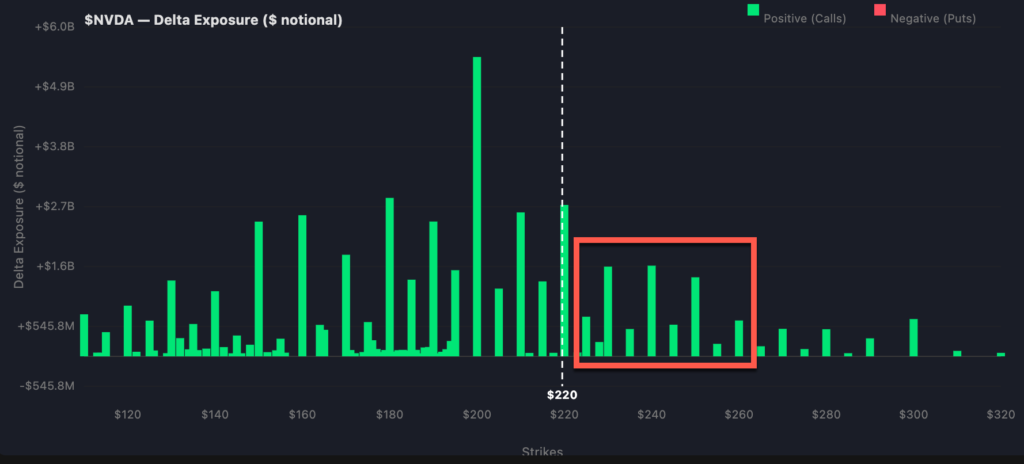
Nvidia fell after reporting results, declining roughly 2% on the day. However, the bigger test likely comes Friday, given the large number of options set to expire, particularly calls at higher strike prices around $230, $240, and $250 that are now likely out of the money.
If those positions begin to see a more significant unwind ahead of Friday afternoon’s expiration, it could create additional selling pressure as the hedging flows tied to those options continue to unwind following the earnings release.
Typically, heading into a three-day weekend can create conditions for a volatility crush. However, with Kevin Warsh’s swearing-in on Friday and the uncertainty surrounding Iran, we may not see the typical post-holiday volatility-crushing rally in equities. In fact, we could see the opposite, especially if traders grow nervous and add hedges heading into the long weekend.
One problem for the volatility-crush crowd is that the spread between realized volatility and implied volatility is already sitting in a neutral range at around 6.5. That suggests there may not be much room left for implied volatility to compress further.
While the could still move lower from current levels, there likely isn’t much downside left given where the current spread sits.
Despite all of the back-and-forth headlines yesterday, not all parts of the oil curve actually declined on the news. What was interesting is that while the July crude oil contract fell on the day, the September, November, and December contracts were all higher by nearly 1%.
That is an interesting divergence from what is happening in the front-month contract and suggests that the pressure on oil prices further out on the curve remains skewed to the upside.
5 Stocks Our Experts Predict Could Double In the Next Year
By submitting your email, you'll also get a free pivot & flow membership. A free daily market overview. You can unsubscribe at any time.